Research Team

Laura R. Stroud, PhD
Principal Investigator
Dr. Stroud serves as Director and Senior Research Scientist at the Center for Behavioral and Preventive Medicine at The Miriam Hospital. She serves as Director and Principal Investigator of the COBRE Center for Stress, Trauma, and Resilience (STAR) and Founding Director of the Maternal-Infant Studies Laboratory and the Child and Adolescent Stress Laboratory at The Miriam Hospital. Dr. Stroud is a dedicated mentor and co-directs the STAR T32, a postdoctoral fellowship program focused on the impact of childhood stress, trauma, and resilience across the lifespan, and received the 2023 Faculty Mentoring Award from the Department of Psychiatry and Human Behavior. Dr. Stroud’s research focuses on biobehavioral mechanisms of mood and addictive disorders. Her work involves a transdisciplinary, developmental framework incorporating both neurobiological and behavioral markers of risk and a focus on novel neurobehavioral and stress response paradigms. Her work focuses on two sensitive periods of development: fetal-infant transition and the adolescent/pubertal transition. Within the fetal-infant period, Dr. Stroud's work has focused on novel ultrasound measures of fetal development and biological pathways through which effects of maternal substance use and depression are transmitted to the fetus and infant. She has also developed a new line of research focused on the impact of marijuana use and novel tobacco products (hookah, electronic cigarettes) on pregnant mothers and infants. Within the adolescent period, Dr. Stroud’s work has focused on novel neural and neuroendocrine biomarkers of risk for adolescent depression.
Dr. Stroud has been continuously funded by the National Institutes of Health since 2001. She has also been the recipient of three NARSAD awards from the Brain and Behavior Research Foundation, and funding from the National Science Foundation, the US Food and Drug Administration (FDA), and the Robert Wood Johnson foundation. Dr. Stroud served as a Contributing Author on the 2016 Surgeon General Report, E-Cigarette Use in Youth and Young Adults. She also served as Associate Editor for Nicotine and Tobacco Research and has been the recipient of the Bruce Selya Research Excellence Award from Lifespan Hospitals and the Outstanding Early Career Investigator Award from the National Institute on Drug Abuse.
Dr. Laura Stroud has an AB in Human Biology from Stanford University, and received a PhD in Psychology from Yale University in 1999. She completed her postdoctoral fellowship at Brown in 2001, then joined the faculty in the Department of Psychiatry and Human Behavior at Brown. Since 2013, Dr. Stroud has also held a secondary appointment in the Department of Behavioral and Social Sciences in the School of Public Health at Brown.
Lab Staff


Nicole Belanger, PhD
Dr. Belanger is a Developmental Psychologist and the Clinical Research Supervisor of the lab. She oversees all aspects of lab operations, including study coordination, regulatory compliance, data management, and team development. With over a decade of experience in behavioral health and developmental science, Dr. Belanger enjoys building supportive, well-organized teams and creating systems that make complex research run smoothly.
Katelyn Borba, BA
Katelyn Borba is a Research Center Manager and oversees the day-to-day operations of the Center for Behavioral and Preventive Medicine and conducts infant sessions. Katelyn received her B.A. in Psychology from Providence College.
Graduate Students

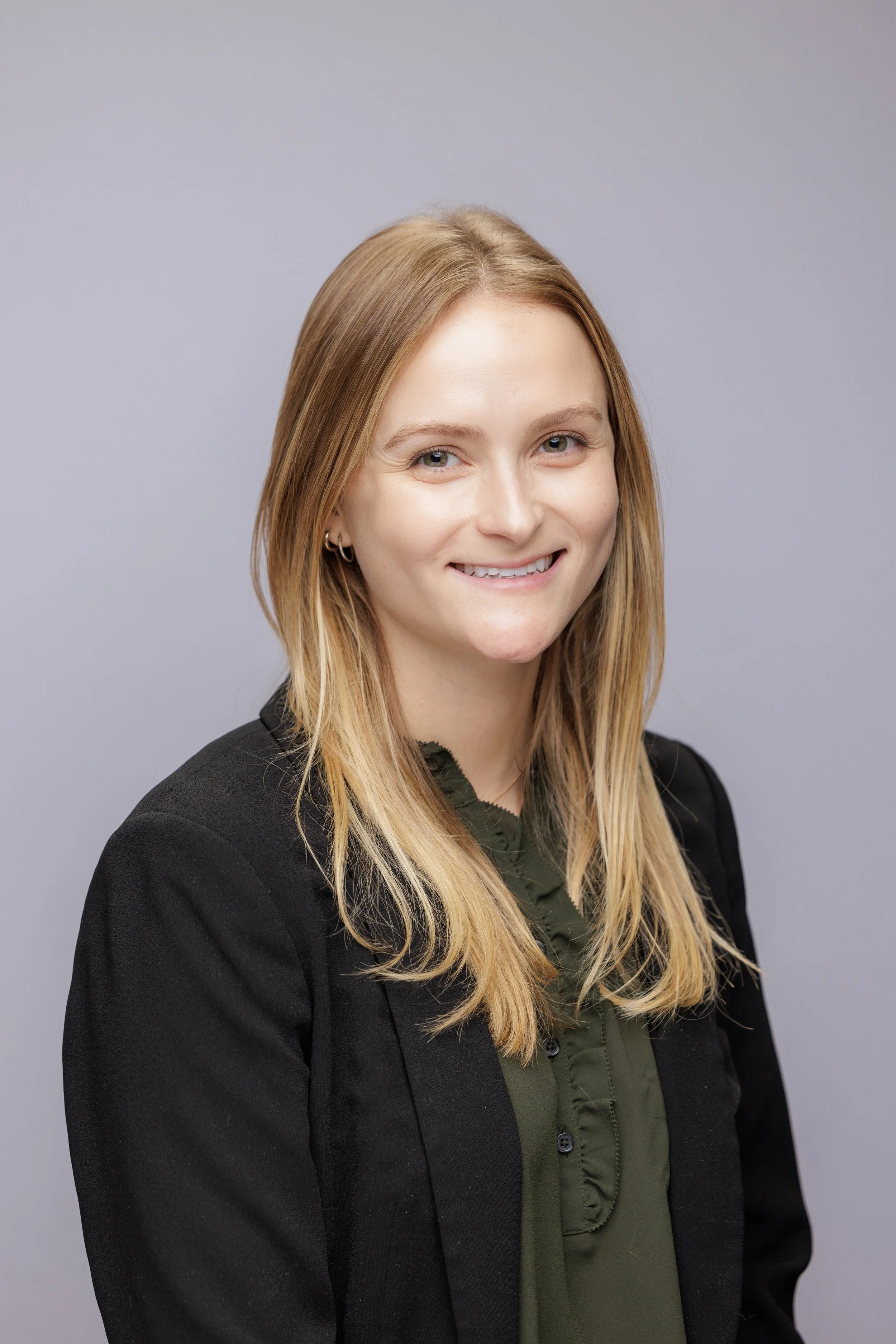
Janet O. Joseph
Janet O. Joseph is a fourth-year PhD candidate in the Pathobiology Graduate Program at Brown University, working under Dr. Laura Stroud and Dr. Patrycja Dubielecka. Her research focuses on the impact of chemical and biological stressors on transcriptomic markers of the placenta, specifically targeting inflammatory and neuroinflammatory markers critical for a successful immunological response during pregnancy. Janet holds a background in microbiology, molecular and cellular biology from the University of Illinois at Urbana-Champaign, as well as experience in infectious diseases, neurology, and psychiatry from the National Institute of Mental Health (NIMH) and the National Institute of Allergy and Infectious Diseases (NIAID) at the NIH. She is dedicated to utilizing interdisciplinary methods to address biological questions and is a recipient of the NSF Graduate Research Fellowship Program (GRFP) fellowship. Janet prioritizes mentorship and the inclusion of underrepresented minority (URM) scientists in STEM. In her free time, she enjoys exercising, watching sci-fi, and pretending to be a DJ.
Rebecca (Becky) Raisman
Rebecca (Becky) Raisman, MA, is a clinical psychology resident in health psychology/behavioral medicine at Alpert Medical School of Brown University, and a PhD student at University of Illinois Chicago. Becky is working with Dr. Laura Stroud for her research placement during internship/residency. Before graduate school, Becky received a BA in Cognitive Neuroscience with a minor in Global Health and Environment from Washington University in St. Louis. She then worked as a Research Assistant at Columbia University's New York State Psychiatric Institute/Substance Use Research Center. Becky's research interests include perinatal tobacco and cannabis use; affective, cognitive, and neural correlates of substance use; substance use interventions; and health communication. For her dissertation project, she developed and evaluated participant-informed health messaging about perinatal cannabis use. In her free time, Becky enjoys reading, running, and spending time outdoors.
Postdoctoral Fellows


Laura Laumann, PhD
Dr. Laumann is currently a Cardiovascular Behavioral Medicine T32 postdoctoral research fellow at the Miriam Hospital and The Warren Alpert Medical School of Brown University. Dr. Laumann completed her predoctoral clinical psychology internship at Brown and PhD in clinical psychology at the University of Connecticut. She received a BA in psychology and Spanish from the University of Virginia and a MS in clinical psychology from the University of Connecticut. Prior to entering graduate school, she worked at Butler Hospital on research about early adversity. Dr. Laumann's current program of research focuses on the biobehavioral mechanisms through which stress and health behaviors (e.g., physical activity, sleep, and substance use) influence mental and physical health. She is particularly interested in how stress and health behaviors interact to affect risk for and maintenance of chronic conditions, specifically chronic pain.
Gina Erato Garza, PhD
Dr. Erato Garza is currently an NIH postdoctoral research fellow funded by Rhode Island Hospital's Biobehavioral HIV T32 at The Warren Alpert Medical School of Brown University. Dr. Erato Garza completed her doctoral training in clinical psychology at Oklahoma State University and her residency at Brown. Her dissertation examined how perinatal depression, sleep, and social support impacts postpartum sleep. Before graduate school, Dr. Erato Garza received a BA in Psychology and Italian Studies with a certificate in Child and Adolescent Studies from University of Wisconsin-Milwaukee. Upon graduation, she worked as a Clinical Research Coordinator at the Medical College of Wisconsin in the Pediatric Gastroenterology clinic. Given these collective experiences, she strives to take a developmental psychopathology approach to her research to consider the impact of early life stress on the development and maintenance of perinatal outcomes. Her research centers on perinatal sleep and the unique biological and psychosocial factors at play in the transition to parenthood.

Destiny Printz Pereira, PhD
Dr. Printz Pereira is a STAR T32 postdoctoral research fellow at The Miriam Hospital and The Warren Alpert Medical School of Brown University. Dr. Printz Pereira’s research aims to promote wellbeing in children and families exposed to chronic and traumatic stress, in order to reduce the risk of psychopathology and adverse physical health across the lifespan. Her research primarily focuses on families living in urban, low-income contexts, from pregnancy to prekindergarten. She utilizes translational methods to investigate intergenerational, transdiagnostic, and biopsychosocial mechanisms of risk and resilience. Her research advances trauma-related assessment and treatment by prioritizing accessibility, broad applicability and long-term sustainability. Dr. Printz Pereira earned her PhD in clinical psychology from the University of Connecticut. She completed her predoctoral internship at the Greater Hartford Clinical Psychology Consortium at the Veterans Affairs (VA) Connecticut Healthcare System and UConn Health’s Parenting Program and Child Outpatient Clinic.
Psychiatry Residents
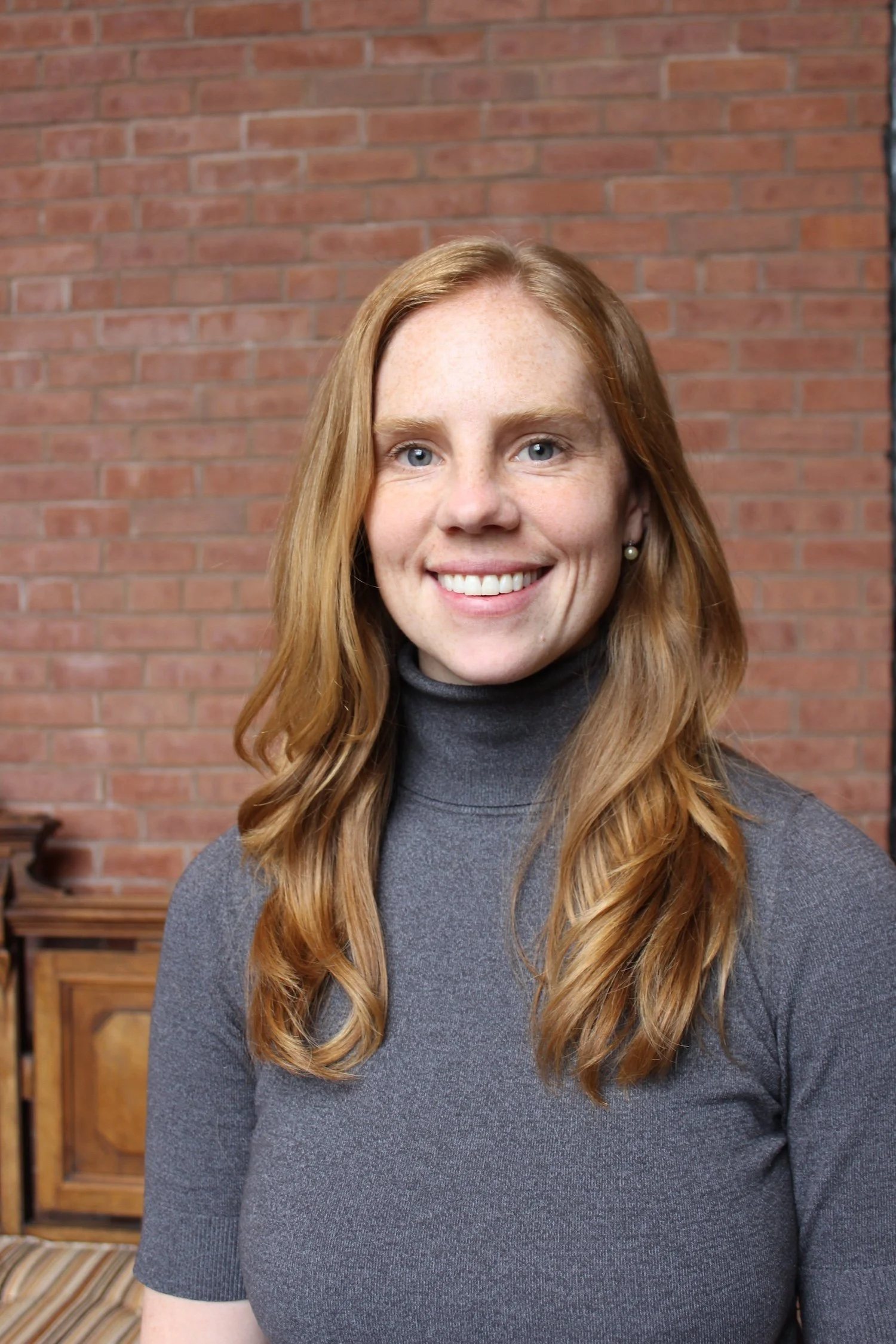
Julia Brekke-Riedl, MD, PhD
Dr. Brekke-Riedl is a psychiatry resident physician in the R25 research program in Dr. Laura Stroud's BAMBAM lab. She recently completed her MD and PhD degrees at the University of Minnesota in the Medical Scientist Training Program (MSTP) with a research focus in immunology. Dr. Brekke-Riedl has published 10+ publications and has presented her work at national and international conferences, including the American Academy of Child and Adolescent Psychiatry (AACAP). Her research in the BAMBAM lab will focus on maternal depression outcomes, with special interest in immunological markers. Additionally, she enjoys medical storytelling and prose writing, publishing "Role Reversal" in Jama Piece of My Mind.
Faculty Partners


Natasha Sokol, SCD
Dr. Sokol is an Assistant Professor in the Department of Psychiatry and Human Behavior at Brown Medical School, and Research Scientist at the Center for Behavioral and Preventive Medicine at The Miriam Hospital. Dr. Sokol earned her doctoral degree in social epidemiology at the Harvard School of Public Health, and completed a NIH T32 postdoctoral fellowship in the Center for Alcohol and Addiction Studies at the Brown School of Public Health. Dr. Sokol’s research focuses on modifiable factors contributing to inequities in the consequences associated with substance use across the life course and intergenerationally, as well as on topics related to reproductive justice. She is interested in parental health and concepts of stress, particularly related to the social and societal factors that drive both. Her current research focuses on relationships between discrimination, material deprivation, stress and substance use in early motherhood.
LG Ward, PhD
Dr. Ward is an Assistant Professor in the Department of Psychiatry and Human Behavior and a Research Scientist the Center for Behavioral and Preventive Medicine and the Women's Medicine Collaborative of The Miriam Hospital. Dr. Ward is a clinician and researcher with specialties in perinatal mental health and Integrated Behavioral Health. Her current research is funded by a Career Development Award (K23) from the National Institute of Child Health and Human Development and is focused on the development and implementation of a toolkit to promote trauma-informed care in obstetrics. Dr. LG Ward received a PhD in clinical psychology from the University of Massachusetts Boston and completed her psychology internship and NIH T32 postdoctoral fellowship in Adolescent/Young Adult Biobehavioral HIV at in the Department of Psychiatry and Human Behavior at Brown Medical School.

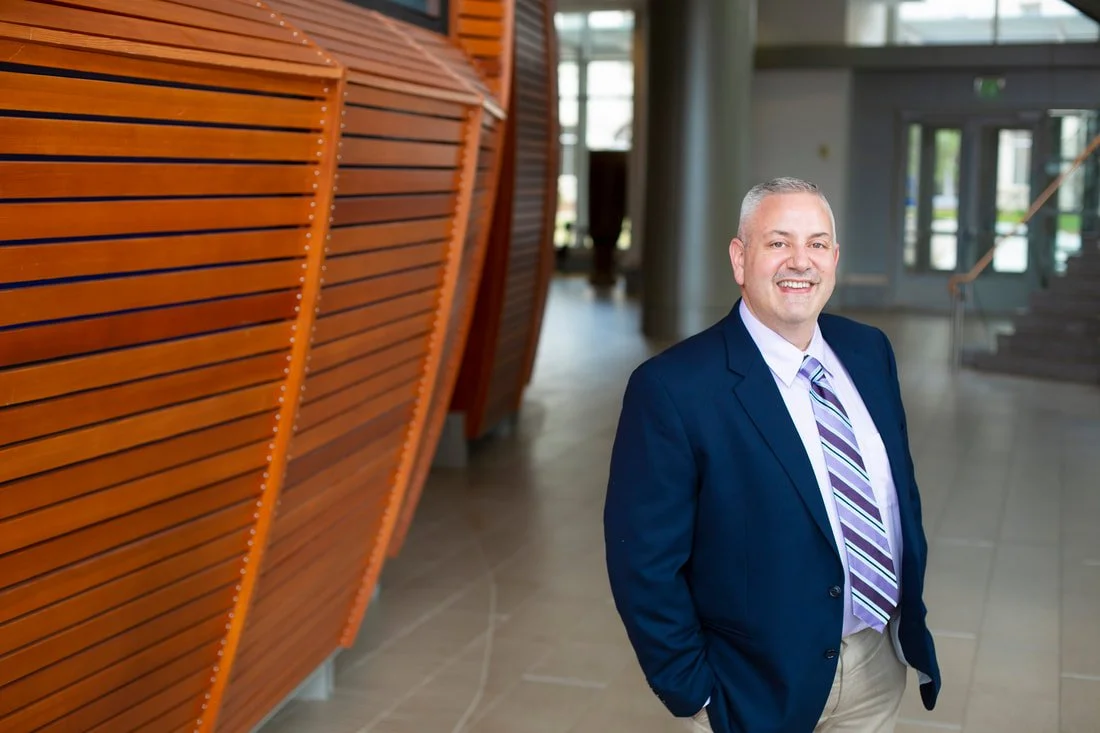
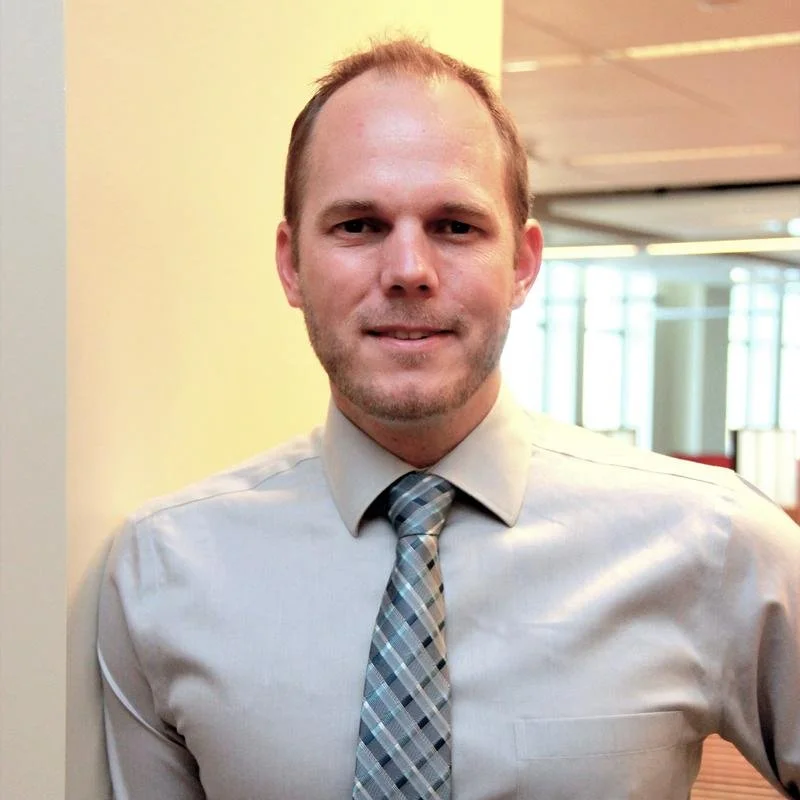
Sharon Lee, PhD
Dr. Lee is an Assistant Professor in the Department of Psychiatry and Human Behavior at the Warren Alpert Medical School of Brown University and a Research Scientist at the Center for Behavioral and Preventive Medicine at The Miriam Hospital. Dr. Lee's research centers on biobehavioral mechanisms linking stress with adverse physical health outcomes, with a focus on cardiovascular disease risk, and mind-body interventions that disrupt this linkage. Her research has been funded by the National Institutes of Health, American Heart Association, and several professional organizations. She serves as an Associate Editor for the Journal of General Internal Medicine and the Behavior Change Lead for the American Association of Cardiovascular and Pulmonary Rehabilitation (AACVPR) Program Planning Committee, as well as on the Board of Directors for the American Heart Association Southern New England. Dr. Lee is also a licensed clinical psychologist. She has cared for patients in primary care, Veterans Affairs medical centers, psychiatric hospitals, and specialties within behavioral medicine including cardiopulmonary rehabilitation, oncology, organ transplant, palliative care, sleep medicine, and weight loss. Dr. Lee earned a BA in psychology from the University of Southern California, MA in psychology from Columbia University, and MS and PhD in clinical psychology from the University of Connecticut. Subsequently, Dr. Lee completed both her Health Psychology/Behavioral Medicine clinical internship and Stress, Trauma, and Resilience (STAR) T32 postdoctoral fellowship at the Warren Alpert Medical School of Brown University.
Carmen Marsit, PhD
Dr. Marsit is Rollins Distinguished Professor and Executive Associate Dean for Faculty Affairs and Research Strategy at the Rollins School of Public Health of Emory University. Dr. Marsit's research is focused broadly on understanding the molecular mechanisms responsible for mediating the impact of the environment in human disease, utilizing laboratory studies of a variety of molecular alterations through –omics technologies. His research has been applied to studies of cancer, adverse pregnancy outcomes, and common and rare conditions of childhood, including obesity, growth, and behavioral disorders. He is a nationally and internationally recognized expert in children's environmental health and environmental impacts on the placenta. Dr. Marsit's group has significant expertise in environmental epigenomics, the impact of the environment on mechanisms controlling the fundamental cellular process of gene expression control, and how alterations or variations to these features impact health and disease. His research utilizes the exposome framework, and considers the chemical, physical, psychosocial, and structural factors across the lifetime, the body's response to those exposures, and their impacts on health. The overarching goal of this work is to both provide important biologic and mechanistic evidence to support policies related to the control of environmental contaminants and to provide insights into novel prevention and intervention strategies.
Todd Everson, PhD
Dr. Everson is an Associate Professor at the Rollins School of Public Health of Emory University. Dr. Everson's research is focused on how early-life experiences and exposures shape underlying biological regulatory programs (the epigenome and transcriptome) and whether the remodeling of those patterns may have long term influences on health. Dr. Everson has considerable experience with epigenome-wide association studies and transcriptomic analyses of prenatal exposures and birth outcomes. He is also involved in large multi-cohort studies such as the Pregnancy and Childhood Epigenetics (PACE) consortium, which are aimed at fostering collaborations between existing studies to examine how early life environmental factors and epigenomic variations contribute to children's health.
Undergraduate Interns



Brianna Nee
Brianna is senior from Brown University studying Science, Technology, and Society with a Data Fluency certificate. She is interested in exploring racial and gender dynamics in science and technological development. As an aspiring physician, she aims to address cultural stigma surrounding sensitive topics like sexual health, substance use, and mental health. Outside of the lab, she enjoys drinking matcha, going to cafes, and trying new places around Providence.
Francine Ho
Francine is a senior from Brown University studying Health and Human Biology and is also part of the Program in Liberal Medical Education (PLME). Her academic interests lie broadly in pediatrics, infant health, and social determinants of health. Francine's research focus at lab includes learning more about the impacts of substance use on fetal and maternal health during pregnancy. During her free time, Francine enjoys swimming, making caffeinated beverages, and exploring New England!
Tenasica Barnwell
Tenasica is a senior at Brown University studying Public Health with a Data Fluency certificate. Her research interests focus on epigenetics, maternal health, and social determinants of health. As an aspiring physician, she is passionate about addressing health disparities and improving reproductive health. Outside of the lab, Tenasica enjoys capturing the beauty of nature through photography and event planning
Lab Alumni
Aaliyah Taylor (2021-2025) —> Applying to Medical School
Karson Fair (2019-2024) —> Social Worker in Oregon
Vansh Patel (2022-2024) —> Med student at Duke University School of Medicine
Tyra Bergstrom (2023-2024) —> Research Assistant in Chicago
Czenilriene Santander (2021-2024) —> Med Student at Umass Medical
Naveen Abraham (2021-2024) —> Med student at Icahn School of Medicine
Melissa Esteban Morales (2022-2023) —> Research Assistant in Providence
Elaine Kim (2019-2023) —> Med Student at UCSF School of Medicine
Anwen Lin (2021-2023) —> Med Student at Brown University
Callie Bednarek (2019-2022) —> Med Student at Medical College of Wisconsin
Francesca McDonald (2021-2022) —> Clinical Trial Associate at Bicara Therapeutics
Nancy Jao (2020-2022) —> Assistant Professor at Rosalind Franklin University
Jocelyn Stanfield (2020-2022) —> Grad Student at Emory University
Noy Alon (2019-2022) —> Med Student at Mount Sinai
Sabrina Fagan (2019-2021) —> Med Student at Liberty University in Virginia
Samantha Goldman (2018-2020) —> Grad Student at Adelphi University in New York
Cindy Nguyen (2018-2020) —> PA Student at Arcadia University in Pennsylvania
Hannah Dalglish (2018-2020) —> Project Manager at Partnership for Health Analytic Research in California
Alana Corey (2017-2019) —> Research Assistant at Great Place to Work in New York